- The Musty Creative
- Posts
- Do We Really Need an SNL UK?
Do We Really Need an SNL UK?
Why Lorne Michaels decided to reach across the pond... again.

Michelle Noland
April 16, 2026

In partnership with

When Saturday Night Live UK premiered on March 21, 2026, it arrived with both curiosity and skepticism. Debuting on Sky with host Tina Fey, the show drew a solid amount of viewership that gave network executives little reason to be alarmed, proving the idea of more sketch comedy (but British this time) had garnered genuine intrigue from its (also British) audience. Many were eager to witness how the iconic format would translate across the Atlantic, and while some were happy with the outcome, others had problems with the show’s execution.
Reviews of the show have been quite mixed. While a portion of viewers praised the energy and ambition, others have landed somewhere in the middle, describing it as uneven, with moments of sharp humor surrounded by sketches that don’t quite land. And then there are those who have dismissed it entirely, labeling it a misfire that fails to capture what makes its American counterpart work.
But what does make the original SNL stand out? After all, you just put a celebrity and musical guest on stage with a few silly comedians and have them read some cue cards and call it a night, right?
Well, not really.
Throughout the years, SNL has had its fair share of ups and downs, and although viewership has been higher than ever, it doesn’t quite hit all the marks, leaving some fans longing for the days when their favorite cast used to “actually be funny”.
Which raises a fair question: Do we really need another Saturday Night Live?
It’s a valid critique—but it’s also a narrow way of looking at what SNL actually represents.
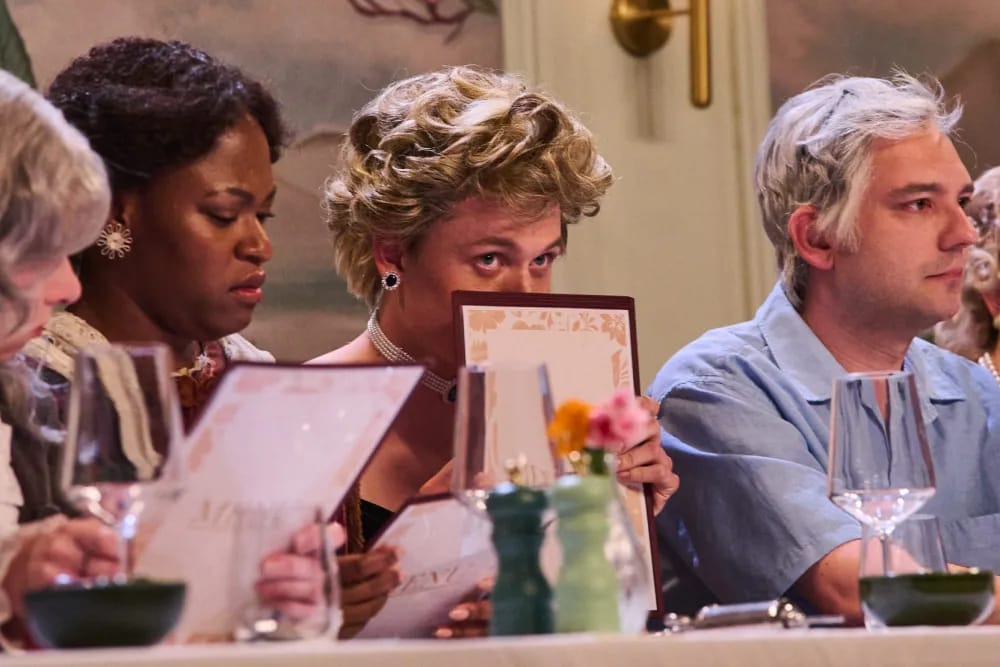
This Isn’t Their First International Rodeo
The UK isn’t the first to attempt its own version of the long-running sketch show. SNL Korea, a show licensed under the same umbrella, premiered in December, 2011 giving them a showcase of some of their best comedic talent.

SNL Korea leaned into local humor, celebrity culture, and sharper satire, eventually becoming a hit with audiences. It ran successfully for multiple seasons, developed a strong fanbase, and even saw a revival after its initial run ended. It didn’t succeed by copying the American version—it succeeded by adapting the structure to fit its own voice. That distinction matters.
What Keeps SNL Around After All These Years?
To understand why international versions continue to emerge, it helps to look at the longevity of Saturday Night Live itself. Since its debut in 1975 under the guidance of Lorne Michaels, the show has gone through countless transformations.
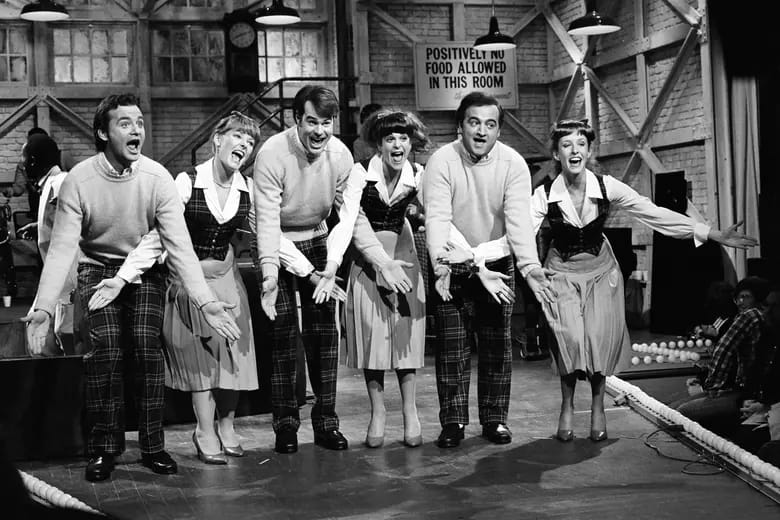
There have been standout eras and forgettable ones. Cast members that became legendary, and others that struggled to connect only to find their fame elsewhere. Behind-the-scenes drama, creative reinventions, cultural shifts—it’s all part of the show’s DNA. And yet, it’s still here. Not because it’s always great, but because the format works.
There’s something inherently compelling about live sketch comedy reacting in real time to culture, politics, and everyday life. Audiences don’t watch SNL for a perfect performance—they watch it for relevance, spontaneity, and the occasional brilliance that breaks through the chaos. It gives a voice to the people trying to make sense of a senseless world. It makes us feel less alone and more seen. It gives us permission to laugh at situations that are out of our control.
When we watch SNL, we are watching the power of comedy in action.
For decades, audiences in the UK have watched American SNL, engaging with humor shaped by U.S. politics, media, and social issues. But comedy hits differently when it reflects your own world—your own headlines, your own cultural nuances, your own absurdities.
That’s where Saturday Night Live UK has real potential.
A British version doesn’t need to imitate—it needs to interpret. The UK has a rich comedy tradition, from sharp political satire to character-driven absurdity. Giving that sensibility a live sketch platform opens the door to something distinct, not derivative.
And that’s worth exploring.
Don’t Be a Debbie Downer
Here’s the reality: sketch comedy takes time to work. Chemistry isn’t immediate. Writers need time to discover what resonates. Performers need space to develop their comedic identities. Audiences need a few episodes—sometimes a full season—to adjust expectations and find what they connect with.
The original Saturday Night Live didn’t become a cultural institution overnight. It evolved—through trial, error, and persistence.
SNL UK deserves the same runway.
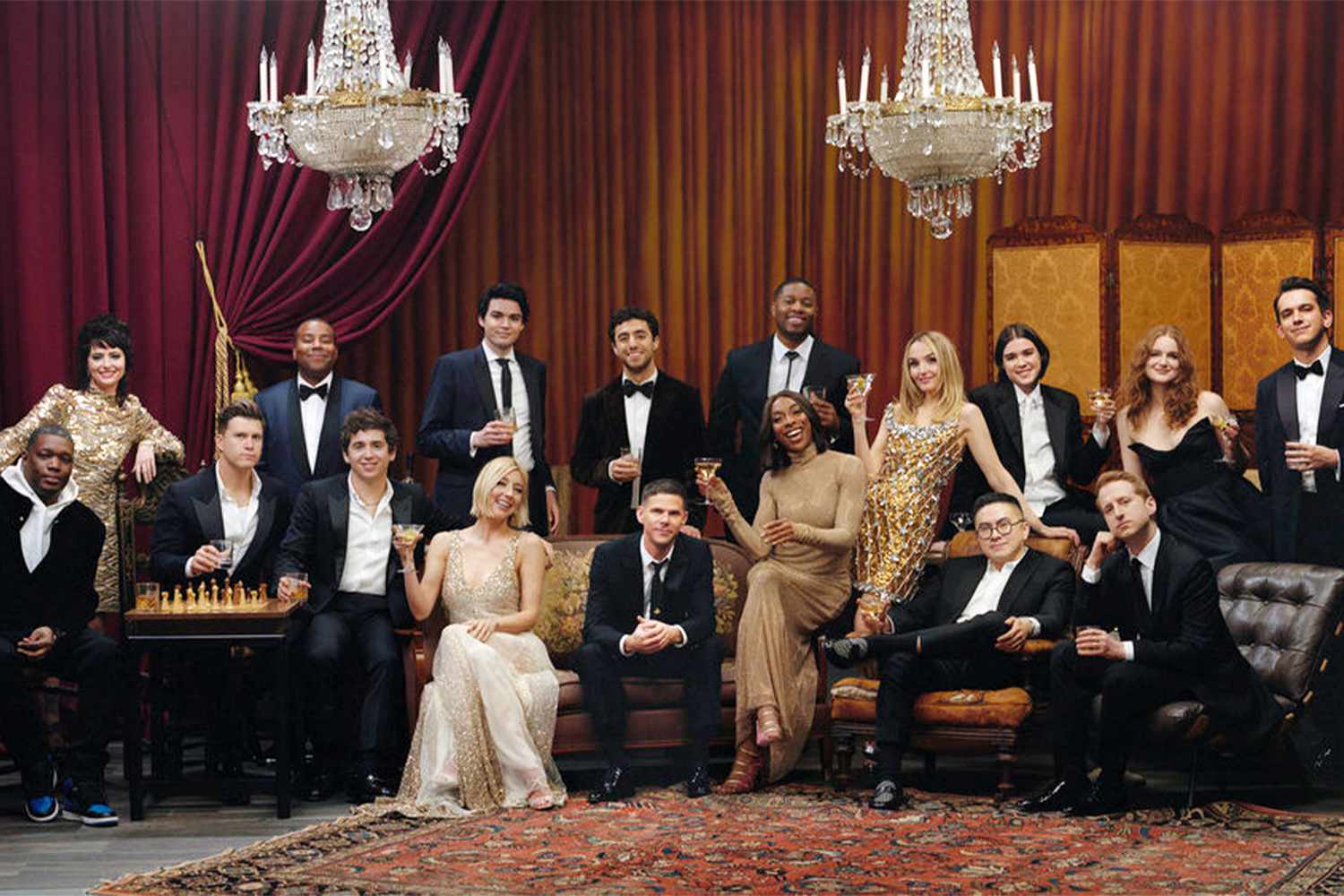
If a show like this can bring laughter to a different part of the world, why shut it down before it has the chance to grow?
For many people, SNL has been more than just entertainment. It’s been a way to process the world—to laugh at the chaos, to find humor in the headlines, to feel connected through shared cultural moments. That experience shouldn’t be limited by geography.
If Saturday Night Live UK can offer a version of that to a new audience, it’s worth supporting.
Instead of focusing on what the show isn’t yet, there’s value in asking what it could become. Because more comedy—especially comedy that reflects different cultures and perspectives—isn’t a problem. It’s an opportunity.
And for the sake of a little more joy in the world, that feels like something worth rooting for.

Smart starts here.

You don't have to read everything — just the right thing. 1440's daily newsletter distills the day's biggest stories from 100+ sources into one quick, 5-minute read. It's the fastest way to stay sharp, sound informed, and actually understand what's happening in the world. Join 4.5 million readers who start their day the smart way.